


















Why having dedicated paragliding equipment is essential
Paragliding — or free flight — involves unique conditions: altitude, wind, cold, rapid temperature changes, variations in exposure, static phases (waiting for take-off, thermals, hovering) or movement (line control). Even in summer, air speed, altitude and currents can make your hands, feet and body vulnerable to cold and damp. Standard equipment can quickly become inadequate. The Therm-ic Paragliding collection is designed to meet these challenges: it combines warmth, protection, lightness and comfort, allowing practitioners to fully enjoy their flight — without thermal distractions.
What the Therm-ic paragliding collection offers
-
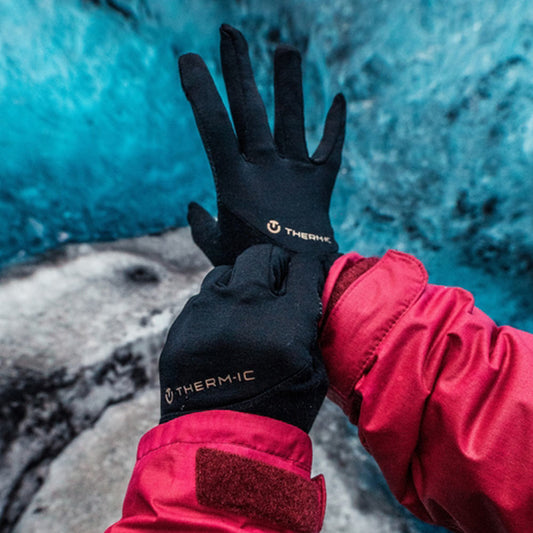
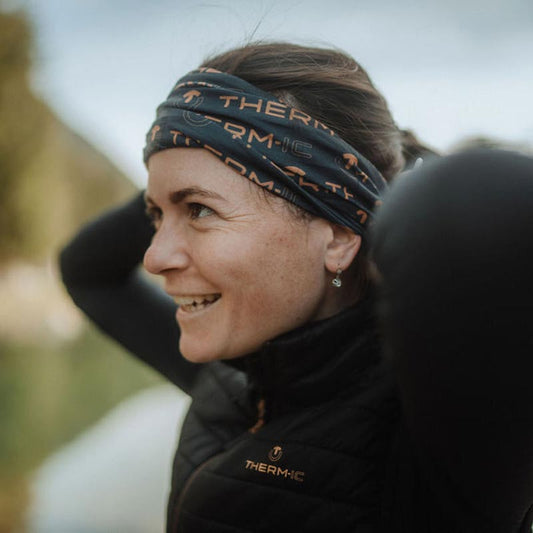
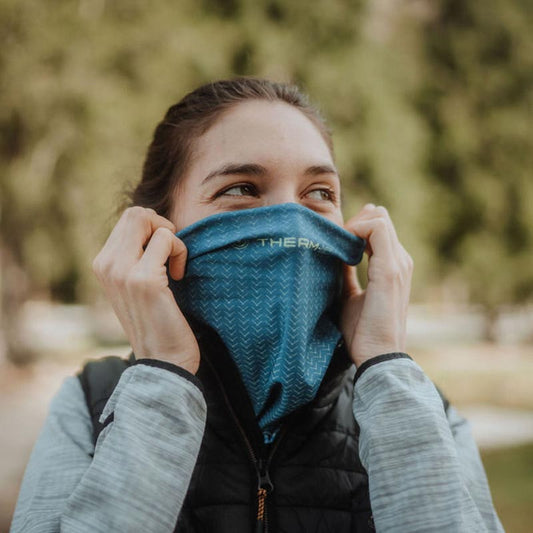
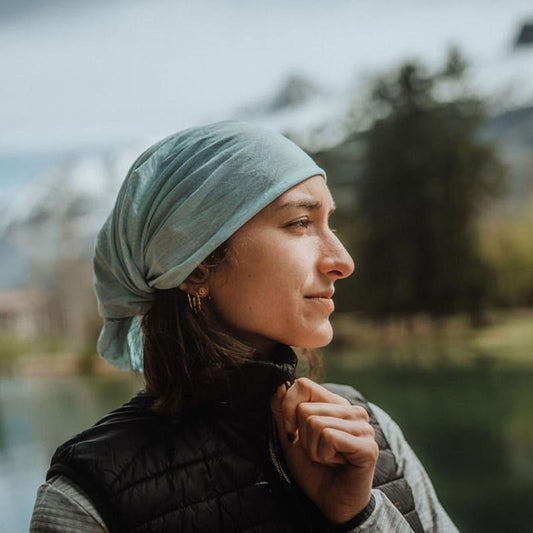
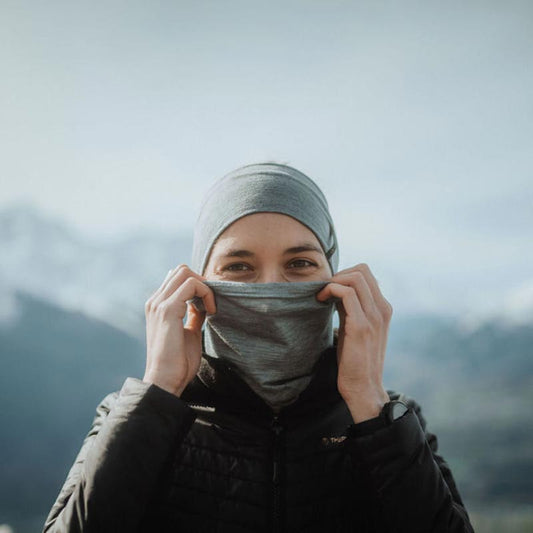
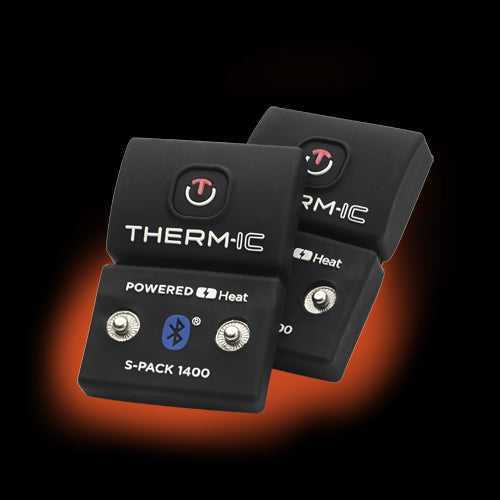
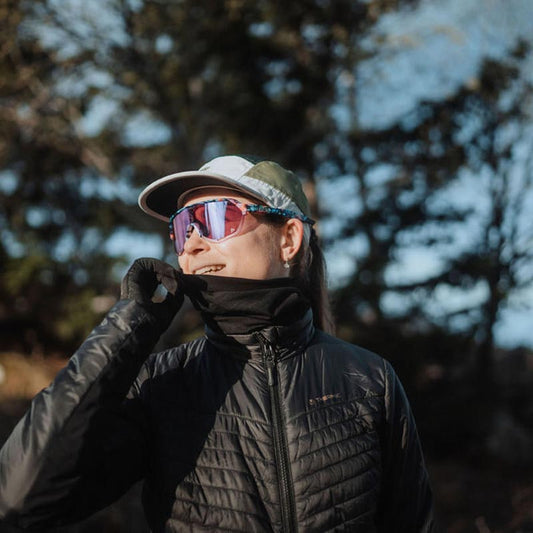
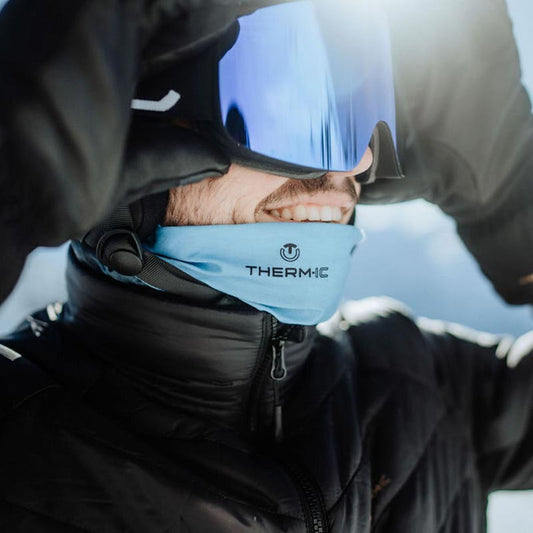
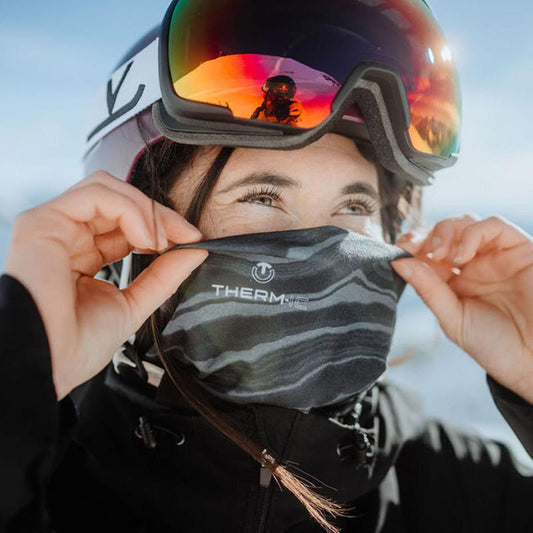
Thermal protection & comfort at altitude — Gloves, light layers, neck warmers, socks and other heated items help regulate body temperature, prevent cold extremities and maintain warmth and comfort even in the air.
-
Technical materials adapted to wind, humidity and weather variations — Products are designed to withstand wind and humidity while remaining breathable and lightweight — an essential advantage in flight, where conditions can change rapidly.
-
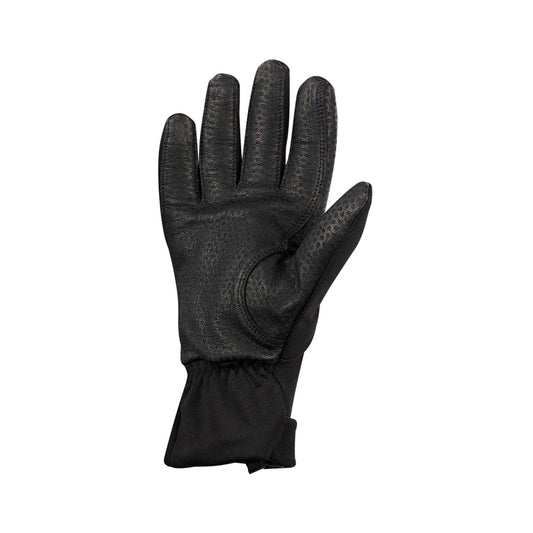
Mobility, grip and ergonomics for control — Special gloves, cuffs and a tailored fit: the equipment allows you to maintain dexterity and control, even with gloves on, which is essential for handling the controls, brakes and wings.
-
Versatility and modularity depending on the type of flight/weather/season — The collection offers a range of options: lightweight layers, heated layers, accessories (neck warmers, waterproof over-gloves) to suit summer and winter flights, mountain ascents and high-altitude flights.
-
Comfort & safety throughout the flight— By protecting the extremities from the cold, ensuring body warmth and proper functioning of clothing even in unstable conditions, the equipment improves overall comfort and reduces the risk of discomfort, numbness or distraction.
Who are these products for?
- Paragliders / mountain paragliders / free flyers — recreational or competitive — who are looking for thermal comfort and protection suited to flying conditions.
- Anyone who flies at altitude, in winter or in cold conditions — warmth and insulation become critical when the wind is strong or the air is cold.
- Pilots who are sensitive to the comfort of their hands, feet and body — extremely important for control, comfort and safety in flight.
- Enthusiasts looking for modular, reliable and comprehensive equipment — capable of adapting to the seasons, weather conditions and different types of flights.
Expert advice & best practices
- Combine heated/insulated layers + wind protection — Gloves, base layer, windproof clothing, neck warmer: to maintain warmth and block out the cold.
- Choose gloves that offer grip, sensitivity and comfort — Operating the controls requires precision and control: gloves must therefore provide warmth without compromising dexterity.
- Adapt your equipment to the weather, altitude and duration of the flight— Change your suit if necessary (summer → winter, climb → hover, etc.).
- Plan for a modular and lightweight configuration— In flight, weight and bulk matter: opt for thin, compressible layers that are easy to wear under the harness.
- Maintain your equipment regularly — Check insulation, membranes, flexibility and, where applicable, the functionality of heating elements to ensure performance and safety.


