










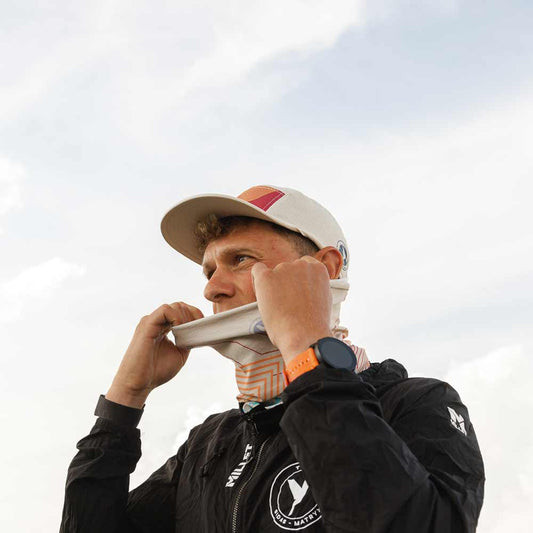

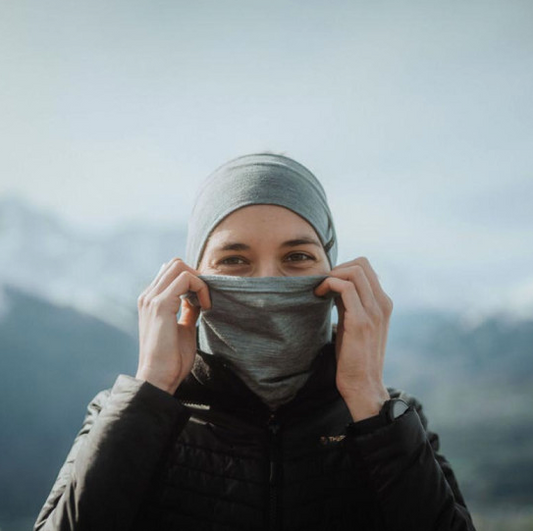


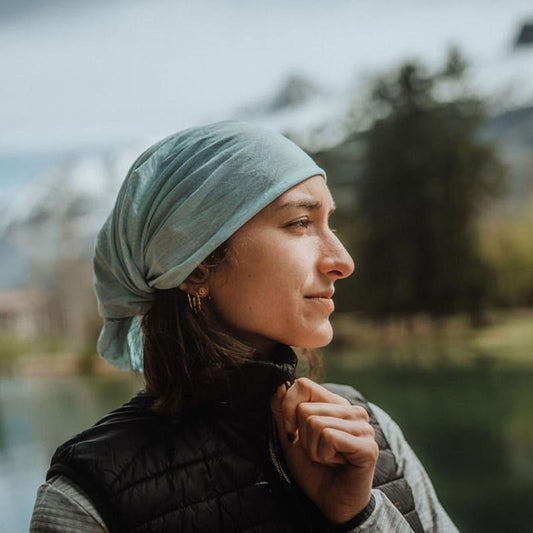

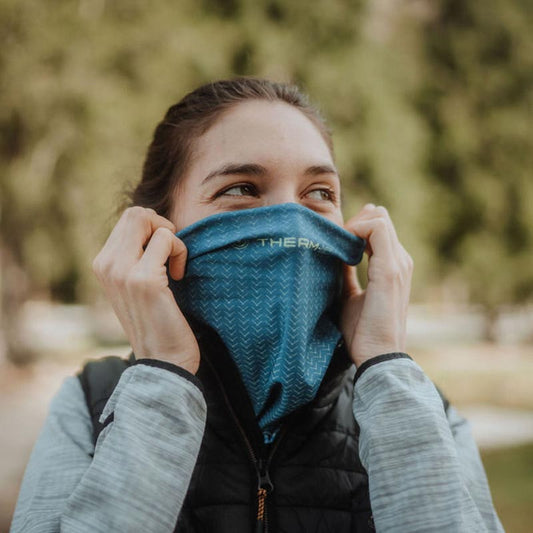









Why a neckwarmer is an essential accessory
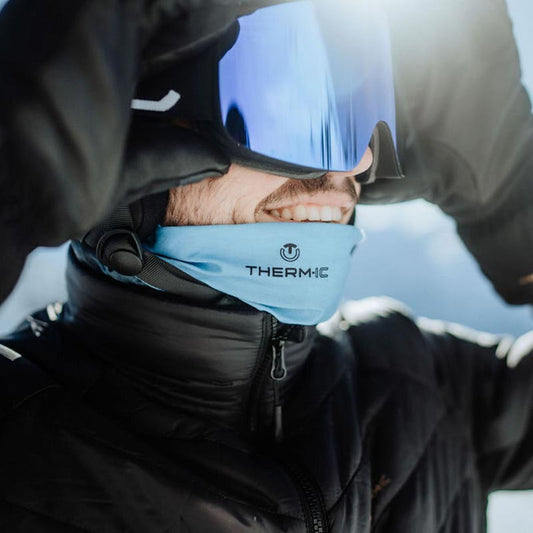
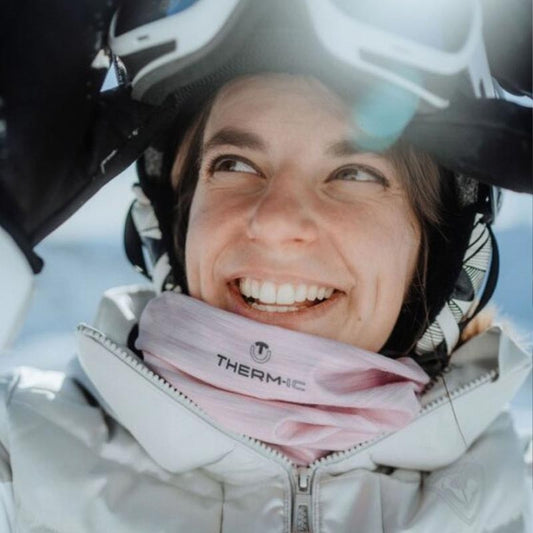
Whether for skiing, hiking, trail running, mountain biking, trekking or simply for outdoor activities in variable weather conditions, the neck, nape and sometimes the base of the face are often the first parts of the body to be exposed to the cold, wind, sun or insects. A simple hat or jacket is not always enough. A neck warmer or headband provides simple, flexible and adaptable protection for these sensitive areas: it retains heat, protects from wind or sun, prevents irritation or chilling, and adapts to changes in activity or weather. It is a small, very practical piece of equipment, often underestimated, but one that can make a big difference in comfort and protection.
What Therm-ic neck warmers/headbands offer
- Thermal regulation & comfort all season long — In winter or cold conditions, a soft, well-insulated neck warmer keeps your neck, nape and lower face warm. In mid-season or summer (depending on the model), a lightweight, breathable and ventilated neck warmer wicks away perspiration while protecting you from the wind or sun.
- Protection from wind, cold, UV rays and insects — In the mountains, at high altitudes or when trekking, your neck is exposed to the elements: cold, wind and sun. A neck warmer acts as an extra layer of protection (against the cold but also — depending on the model — against UV rays, insects or the sun when worn as a headband/neck warmer).
-
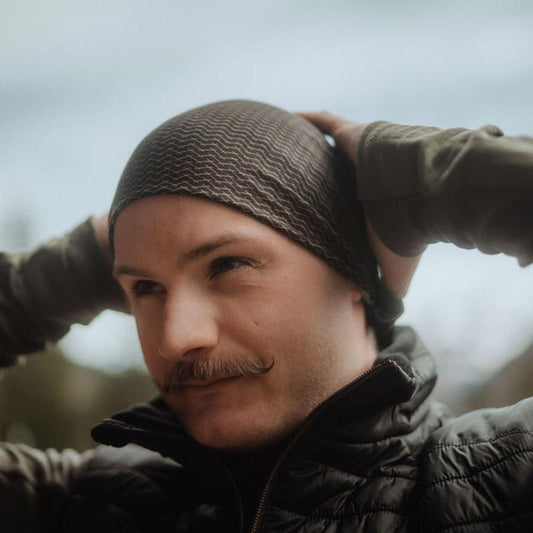
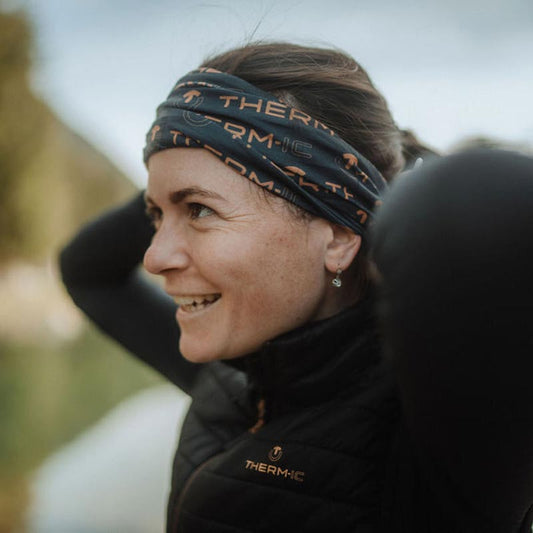
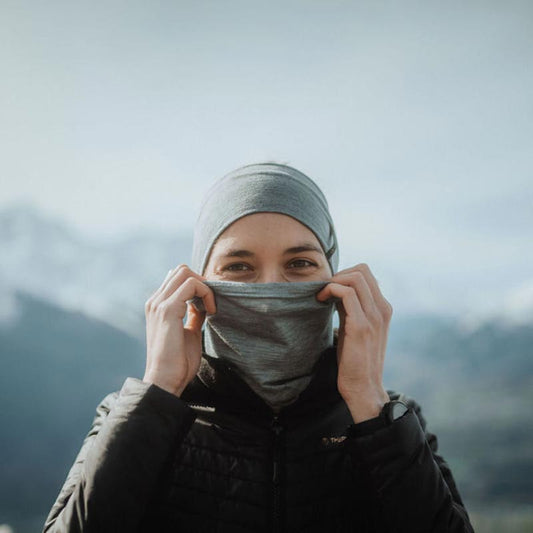
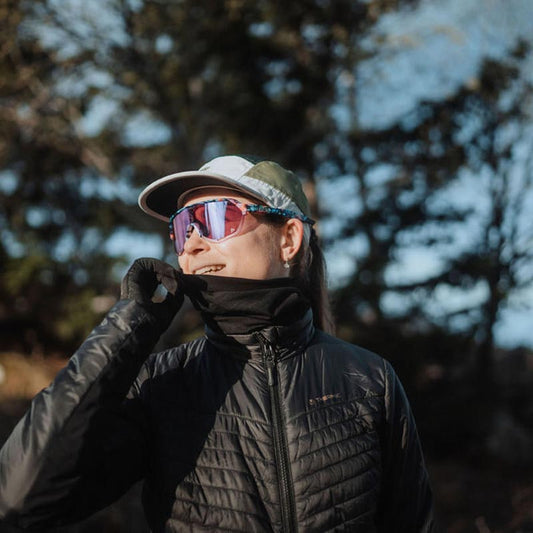
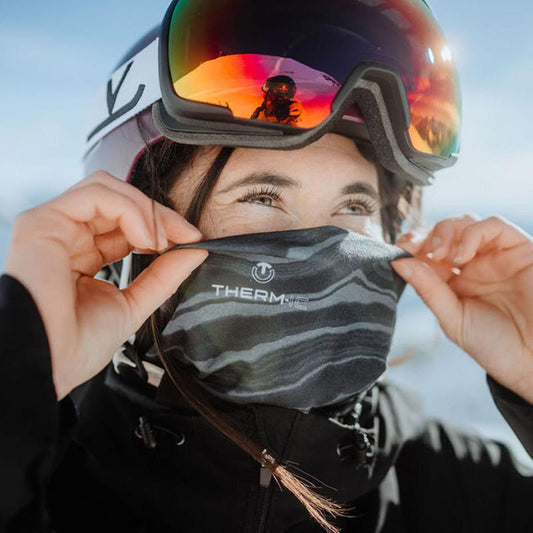
Lightweight, modular and versatile — A neck warmer is lightweight, easy to put on, can be carried in a pocket and can be worn in several ways (neck warmer, headband, light balaclava, scarf, headband, etc.). Perfect for outdoor sports, hiking, trail running, cycling, skiing or everyday outdoor life.
- Breathability & prolonged comfort — Many technical models (synthetic fibre, merino wool, technical membranes) wick away moisture, prevent condensation and remain comfortable even during exertion or after several hours of exposure — preventing irritation, skin irritation or unpleasant dampness.
- Essential accessory for the mountains & the outdoors — On long outings, at altitude, in changeable weather: a neck warmer provides protection where a jacket or hat alone is not enough. It effectively complements your equipment (jacket, gloves, etc.) for optimal comfort and thermal safety.
Who are these neck warmers/headbands for?
- Outdoor sports enthusiasts: skiing, hiking, mountain biking, trekking, trail running, mountaineering — whenever the weather is uncertain or changeable, or when thermal comfort is important.
- City dwellers who are sensitive to the cold, wind or sudden changes in weather — when travelling, commuting, in winter, autumn or mid-season.
- For those who want a versatile, lightweight, easy-to-carry accessory — useful in all seasons, winter and summer alike (UV protection, insect protection, ventilation, etc.).
- For those who prioritise comfort, protection and versatility: a single accessory can replace a scarf, hat, mask, buff... as needed.
- For those looking for practicality + technical performance — an effective base layer or mid layer that is breathable, insulating or protective, depending on the model.
Expert advice & best practices
- Choose the right model for the use & season — Don't automatically go for the warmest option: for summer hiking or exercise, choose a lightweight, breathable, ventilated model; for altitude, skiing or cold winter weather: choose an insulating, windproof model, possibly lined.
- Wear modularity according to use — The neck warmer can be worn around the neck, as a balaclava, headband, mask or neck warmer: very useful for adapting to changes in temperature, exertion or weather.
- Combine a neck warmer with good overall equipment — A good coat or jacket, hat or helmet, gloves, and protective gear depending on the activity; the neck warmer is an added bonus to maximise comfort and protection.
- Ensure proper care and quality materials — Choose technical materials (synthetic fibre, merino wool, technical membranes) for breathability, moisture wicking, and long-lasting comfort.
- Carry a spare neck warmer — Lightweight and compact: it's useful to have one in your bag for long outings — it can make all the difference when the weather changes or when the cold sets in.
FAQ (frequently asked questions)
Does a neck warmer replace a scarf and hat?
Often yes, or almost — it provides effective protection for the neck, nape of the neck and sometimes the face. But for extreme conditions or very cold weather, combining it with a hat/hood/jacket is still ideal.
Can a neck warmer be used all year round?
Yes — a good neck warmer is versatile: insulating and warm in winter, light and breathable in summer — some models even protect from the sun or insects.
Is it useful if I don't do many outdoor activities?
Yes — for urban use, commuting, or unpredictable weather, a lightweight neck warmer adds comfort and protection without bulk.
When should I choose a technical model rather than a simple buff/scarf?
When you're looking for thermal regulation, breathability, long-lasting comfort, comfort during exercise, and versatility — a technical model provides real comfort, while a simple buff remains basic.


