


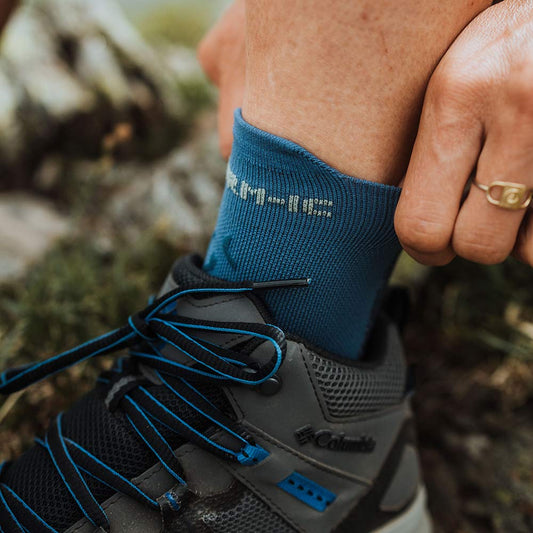

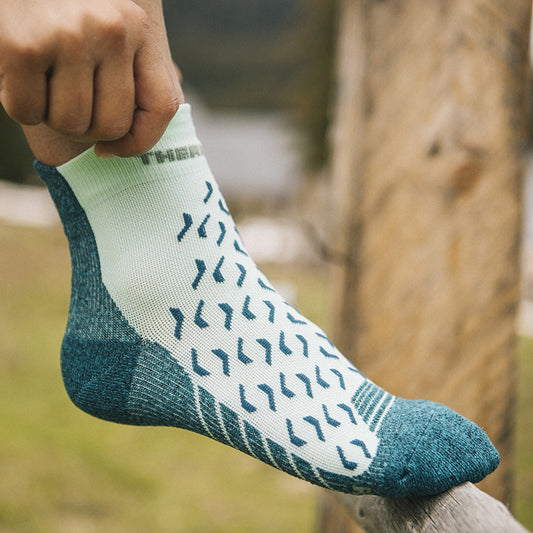

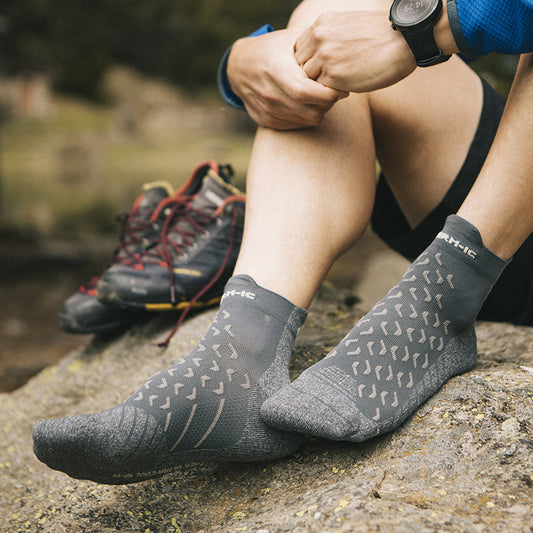

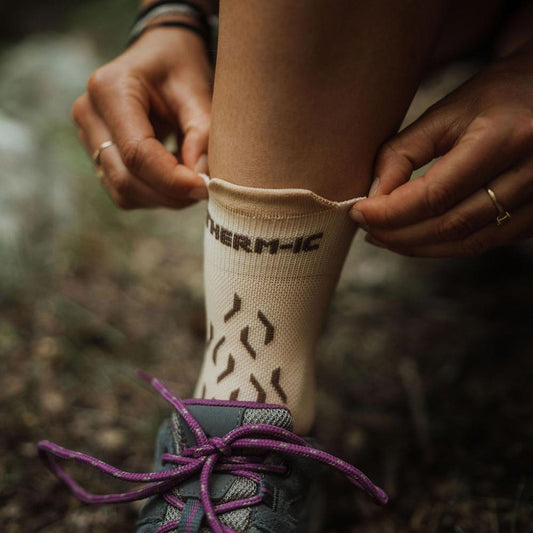












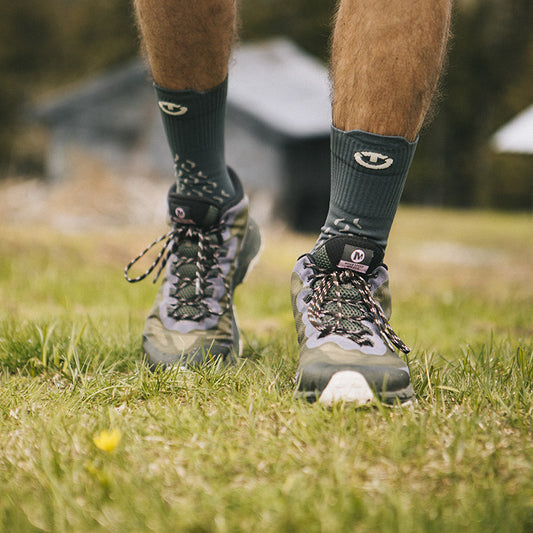



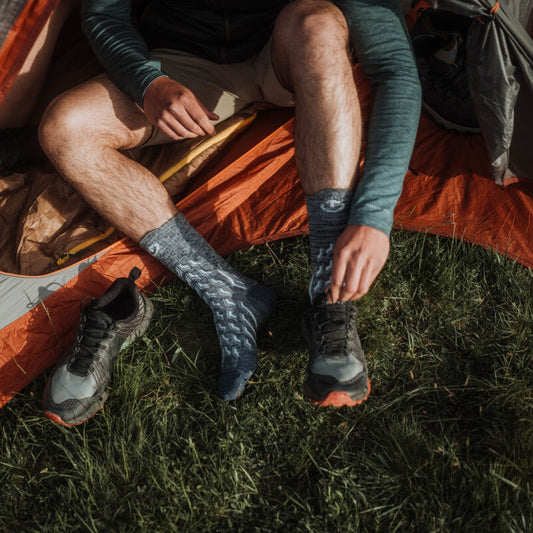

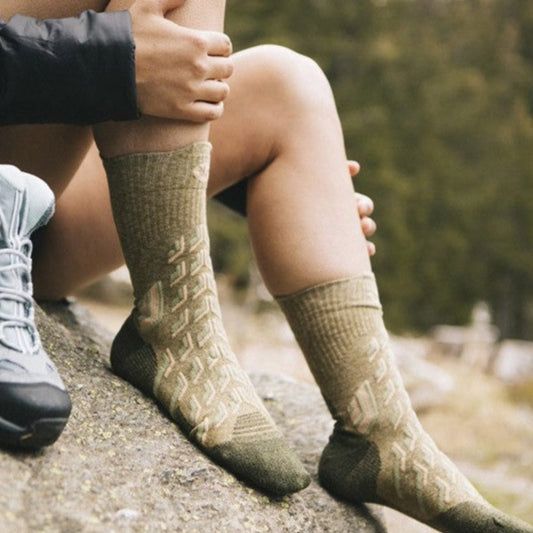

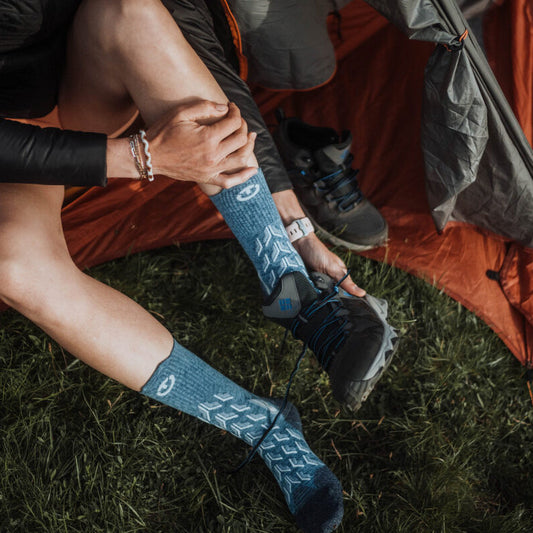

Why outdoor socks are essential
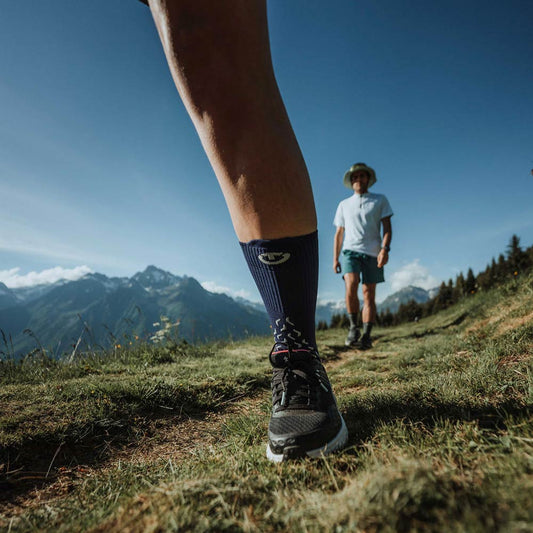
When you go hiking, trekking, long walking, trekking or any outdoor activity — summer or winter — your feet are subjected to severe stress: humidity, perspiration, friction, temperature variations, uneven terrain, long hours of walking, changes in pace. Standard socks (cotton, for urban use, simple leisure activities) are not generally designed to cope with these conditions. Outdoor socks are specifically designed to offer breathability, moisture wicking, long-lasting comfort and protection for sensitive areas. They are a key element in maintaining comfort, preventing blisters and irritation, keeping feet dry and limiting discomfort during long outings.
What Therm-ic socks offer
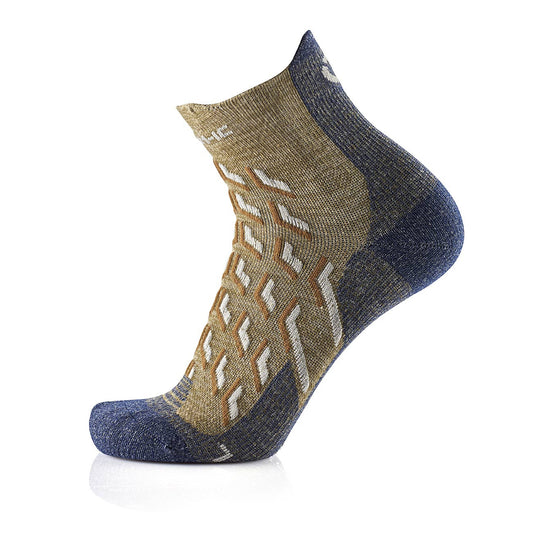
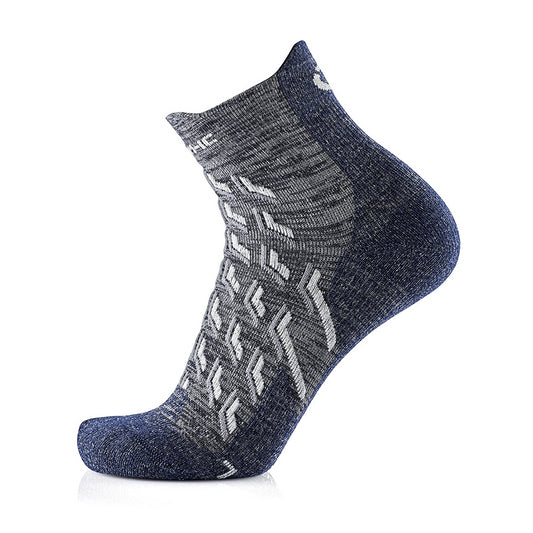
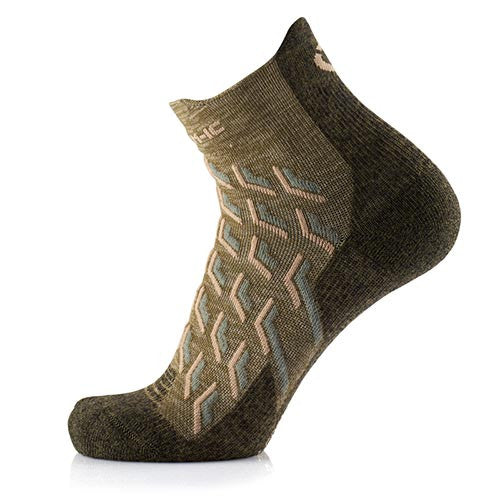
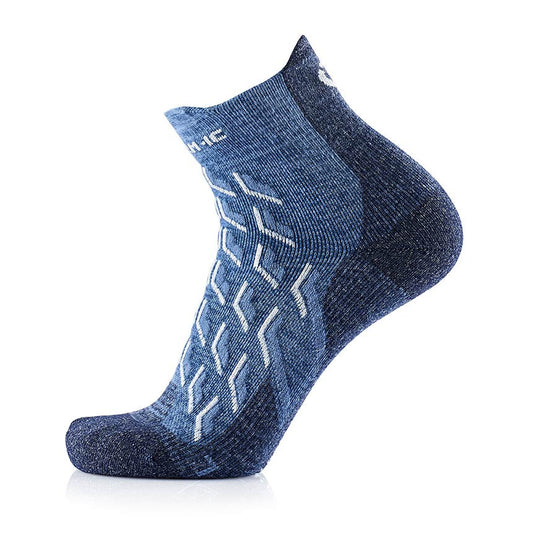
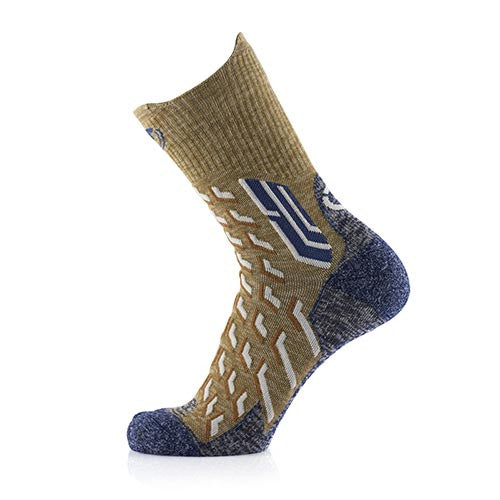
- Breathability & moisture wicking — Models in the Outdoor collection use technologies and internal channels/partitions to effectively wick sweat and moisture away from the shoe, keeping feet dry even during exertion.
- Quick-drying & lightweight — Some socks are ultra-lightweight and quick-drying, which is an advantage for long hikes, multi-day treks, or in variable weather conditions.
- Protection & lasting comfort — Reinforced areas or targeted protection (heel, toes, Achilles tendon, etc.) minimise friction, pressure points and irritation — very useful on technical, stony terrain or for long walks.
-
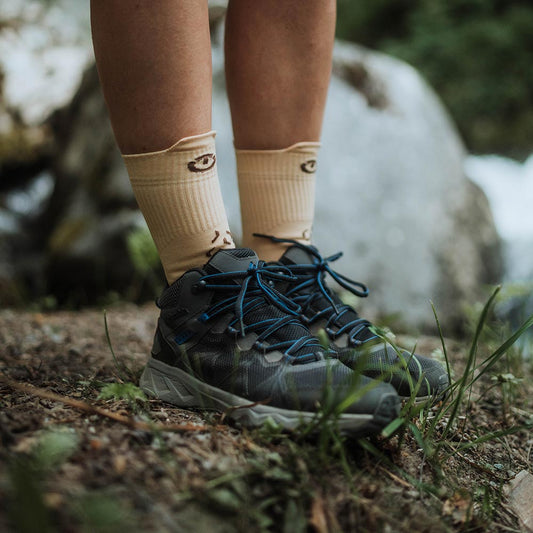
Adaptation to the season & terrain — The range offers lighter socks for summer, which are breathable and cool, as well as more insulating socks for cold hikes or high-altitude trekking.
- Hygiene & odour control — Thanks to technical fibres and anti-odour treatments, Therm-ic limits unpleasant odours, even after several hours or days of walking.
Who are these outdoor socks for?
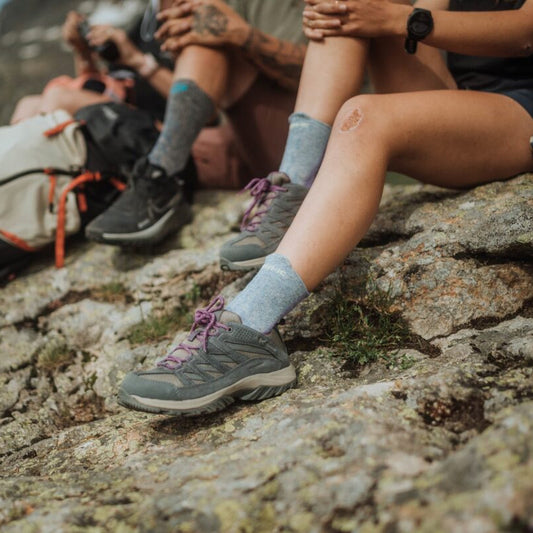
- Hikers, trekkers and regular walkers — whether for day trips, long hikes or multi-day treks.
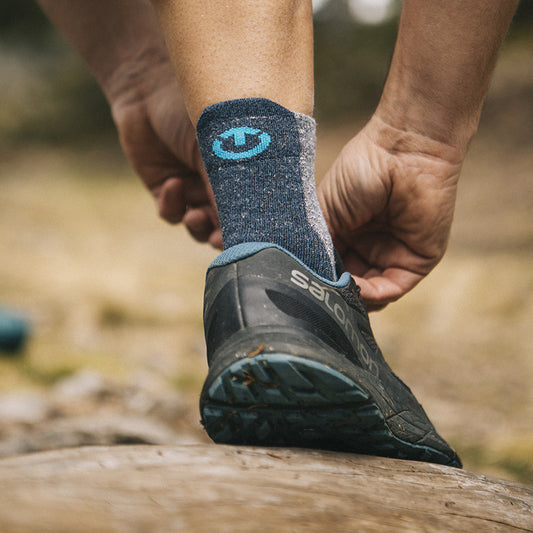
- Users of outdoor/mountain/trail/hiking boots who are looking for comfort, protection and durability — on varied terrain, trails, slopes, rocks, mud, etc.
- For those who venture out in variable conditions (hot summers, forests, mountains, altitude, changeable weather): need for breathability, moisture wicking or insulation depending on the season.
- For people who are sensitive to rubbing, blisters, irritation, wet feet — for whom a good technical sock makes all the difference in terms of comfort and prevention.
- For those who want reliable and versatile equipment: socks suitable for walking, hiking or trekking, while remaining comfortable for everyday use in the city or for leisure activities.
Expert advice & best practices
- Choose your socks according to use and season — for summer hiking or hot climates: lightweight, breathable and moisture-wicking models; for mountain trekking or cold conditions: more insulating socks, possibly merino wool or a wool/synthetic blend.
- Choose the right size and check the fit — a good sock should be snug without being too tight: no creases or compressed areas, to avoid rubbing or poor circulation.
- Pair your socks with good footwear — to maximise comfort, support and protection and reduce the risk of injury — especially when hiking or walking long distances.
- Care for your socks properly — wash gently, without fabric softener, and air dry to preserve the effectiveness of the fibres, elasticity, breathability and durability.
- Bring a spare pair if necessary — on a multi-day trek, having a spare pair can be a real bonus: dry, clean, and comfortable when the other pair is being used or is damp.
FAQ (frequently asked questions)
Why not use regular socks (cotton, city socks) for hiking?
Because they retain moisture, dry slowly, lack breathability and support — resulting in wet feet, chafing, blisters, discomfort and even injuries on long walks or difficult terrain.
Are lightweight socks sufficient for the mountains or cold weather?
Not always — for hiking at high altitudes, in cold, wet or snowy conditions, it is better to choose more technical, insulating socks, possibly made of wool or suitable fibres, to protect against the cold and retain heat.
When should you replace your outdoor socks?
When they lose their elasticity, the fibres wear out, areas become saggy, or as soon as comfort, support and moisture wicking decrease — as with any technical equipment subject to wear and tear.
Are good socks enough to prevent blisters and discomfort?
They greatly reduce the risk, but overall comfort also depends on the shoe, the sole, the fit, maintenance, and walking conditions. The ideal is a consistent combination of socks + shoes + soles + suitable equipment.


